Tuberculosis is ancient and still common, and finding the organism quickly is what makes treatment and control possible.
What happened
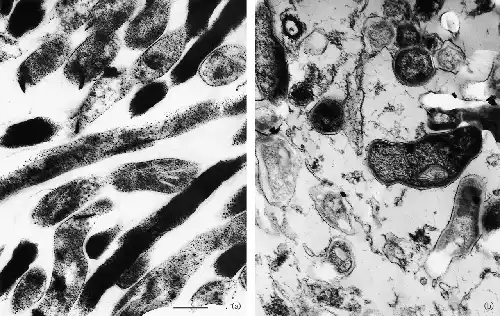
In 1882, Dr Robert Koch identified Mycobacterium tuberculosis as the cause of tuberculosis, work recognised with the 1905 Nobel Prize in Physiology or Medicine. For over a century, TB was found by staining and culturing the slow-growing bacterium, which could take weeks. Molecular (nucleic-acid) tests now detect the organism’s DNA directly from a sample, often within hours, and can also flag likely drug resistance.
Why it mattered
TB spreads through the air and can stay silent (latent) for years before causing illness. Faster, more sensitive detection means treatment can begin sooner, close contacts can be protected, and drug-resistant strains can be spotted earlier. The World Health Organization now recommends rapid molecular tests as an initial way to diagnose TB, rather than relying on microscopy alone.
Key points
- Tuberculosis is caused by Mycobacterium tuberculosis (Koch, 1882; Nobel Prize, 1905)
- Traditional diagnosis used smear microscopy and slow culture
- Molecular testing detects TB DNA rapidly and can indicate likely drug resistance
- Earlier detection supports treatment and helps limit spread
How this connects to our testing
This lab offers molecular testing for Tuberculosis (TB). See the Test List, or contact the lab to discuss sample requirements. Pricing is shared on enquiry.
Sources
Koch R: identification of Mycobacterium tuberculosis as the cause of TB, 1882; Nobel Prize in Physiology or Medicine, 1905. · World Health Organization: guidance on tuberculosis diagnosis, including rapid molecular (nucleic-acid amplification) tests.